
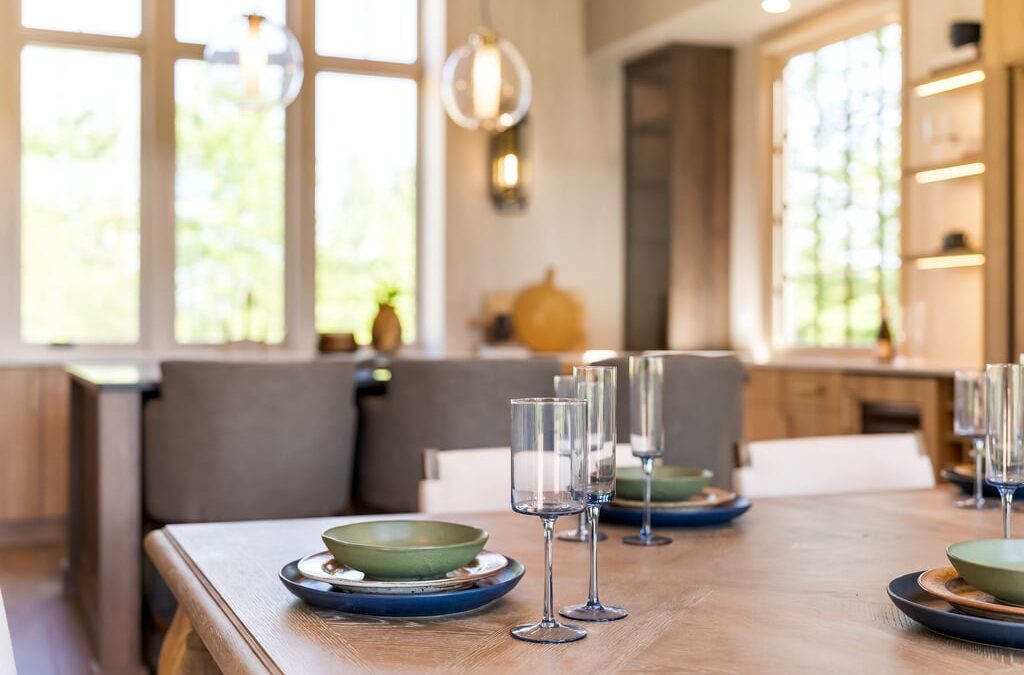
For many new construction and renovation projects, professional interior design services can be worth the investment because the work goes far beyond choosing finishes.
A designer can help organize decisions, coordinate with builders and trades, develop plans and specifications, manage selections, and reduce mistakes that become expensive later.
Quick Answer
Interior design services are usually most valuable when a project involves construction, custom cabinetry, multiple rooms, extensive furnishings, or many decisions that need to work together. For smaller cosmetic updates, full-service design may not be necessary.
At ID.ology Interiors & Design, we look at design as more than how a room appears when it is finished. The goal is to create a home that is functional, comfortable, healthy, and easier to live in, while making sure the details are coordinated from the beginning.
What Am I Actually Paying an Interior Designer to Do?
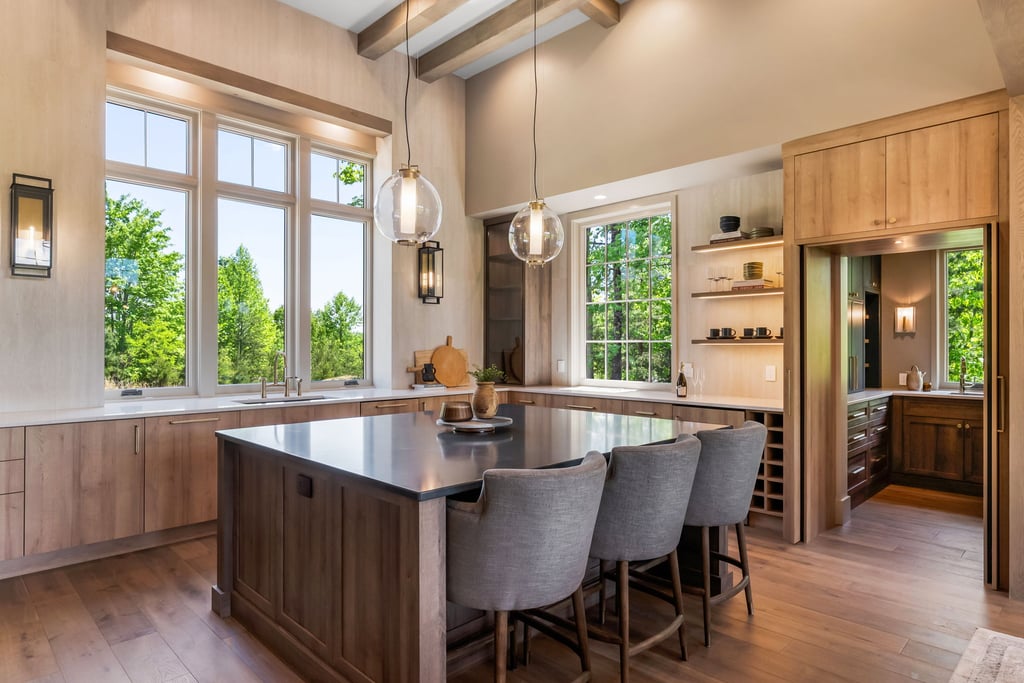
The visible selections, such as paint, tile, lighting, countertops, and furnishings, are only part of the work.
On a larger project, designers may also handle:
- Space planning and floor plans
- Interior architectural drawings
- Cabinetry plans
- Lighting concepts
- Elevations
- Material and finish selections
- Plumbing and hardware specifications
- Furniture plans
- 3D renderings
- Builder and trade coordination
- Installation and styling
At ID.ology, these services can be coordinated under one team, including space planning, cabinetry, furnishings, finish selections, 3D visualization, and builder coordination.
The real value is often in coordinating decisions so one choice does not create a problem somewhere else.
A faucet affects the sink. The sink affects the cabinet. The cabinet affects plumbing rough-in. The mirror affects the sconces. The sconces affect electrical placement. The backsplash may affect all of them.
That coordination is where professional design often creates the most value.
Can a Designer Save Me Money?
A designer cannot guarantee that your project will cost less overall. Professional design is still an added project expense.
The value is often in helping you spend the construction and furnishing budget more carefully.
A designer can help reduce problems such as incorrect orders, re-selections, change orders, poorly scaled furniture, incompatible finishes, and late decisions that affect construction.
On a major renovation or custom home, avoiding even a few expensive mistakes can offset a meaningful portion of the design fee.
ID.ology also uses floor plans, cabinetry drawings, material palettes, and 3D renderings to help clients review decisions before construction begins.
Does Hiring a Designer Mean Everything Will Be More Expensive?
No.
A good designer should understand your priorities and help determine where to invest and where to simplify.
For example, it may make sense to invest more in cabinetry layout, lighting, quality seating, or natural stone where those choices have the greatest impact, while using a simpler material or decorative element somewhere else.
ID.ology also offers budget-conscious planning, phased scopes, and right-sized selections based on the needs of the project.
Good design is not about choosing the most expensive option. It is about making intentional decisions that support the whole project.
What Is the Cost of Not Hiring a Designer?
The downside is not always obvious at the beginning.
Without coordinated design, homeowners may experience decision fatigue, conflicting advice from vendors, late selections that delay construction, lighting or plumbing placements that do not align with furnishings, cabinetry that does not support how the room is used, or finishes that do not work well together.
The biggest cost may be regret.
If you are investing heavily in a custom home or renovation, discovering after construction that a room does not function the way you expected can be difficult and expensive to correct.
When Is an Interior Designer Most Valuable?
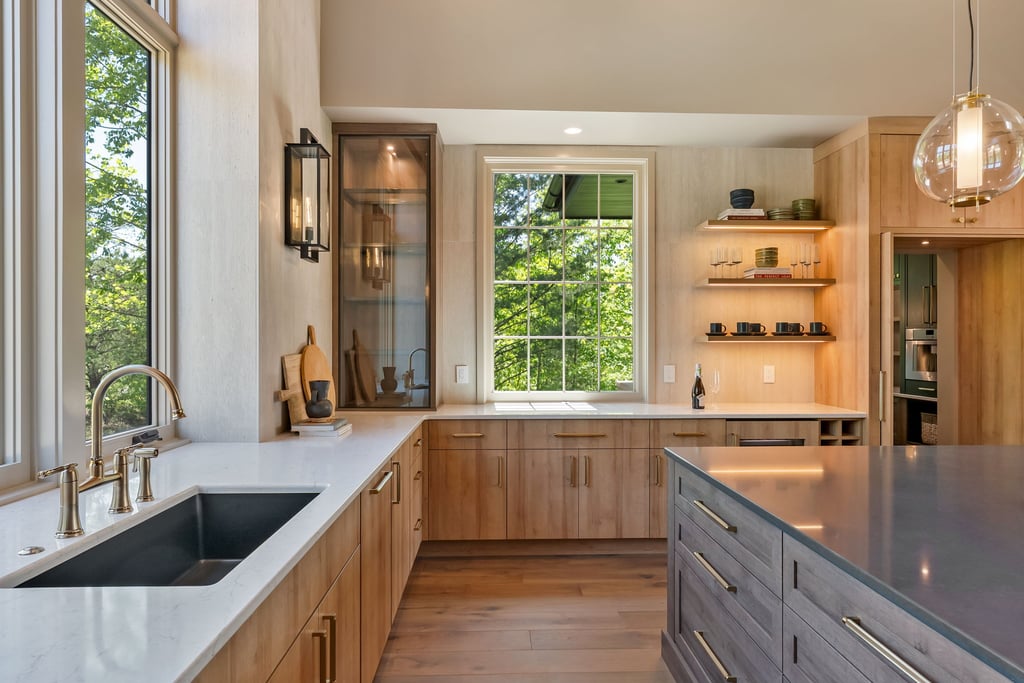
Professional design tends to create the most value when a project includes:
- New construction
- Whole-home renovation
- Kitchen or bathroom remodeling
- Custom cabinetry
- Complicated lighting or ceiling plans
- Aging-in-place goals
- Indoor air quality or wellness priorities
- Extensive furnishings
- Multiple decision-makers
- A homeowner who does not have time to manage hundreds of details
The more interconnected decisions a project has, the more important coordination becomes.
Why Does Hiring a Designer Early Matter?
Many high-impact decisions happen before construction begins.
Window placement affects furniture layouts. Plumbing locations affect cabinetry. Ceiling details affect lighting. Floor plans affect circulation and how rooms function.
For complex projects, bringing the designer in early gives the team more time to solve those details before construction makes them harder or more expensive to change.
ID.ology develops floor plans, cabinetry drawings, elevations, material palettes, and 3D renderings before construction so clients can review the design earlier in the process.
What About Wellness-Focused Design?
At ID.ology, wellness is part of the design process, not an add-on.
Material choices can affect indoor air quality. Lighting can affect comfort and daily routines. Space planning can support aging in place. Cabinetry can reduce clutter and improve everyday function.
ID.ology also considers biophilic design, low or no-VOC materials, formaldehyde-free options, locally made materials, and Certified Aging-in-Place principles when appropriate.
A beautiful home that is difficult or uncomfortable to live in is not fully successful design.
Is Interior Design Worth It for Furnishings?
It can be, especially when you are furnishing several rooms or an entire home.
Furniture planning helps ensure pieces fit the scale of the room, support circulation, and work with the architecture.
ID.ology’s furnishing services can include furniture plans, custom pieces, trade-only sourcing, material palettes, delivery, installation, accessories, and final styling. The firm also offers Inside Green™ healthy furniture made with materials such as FSC® certified wood, natural latex, jute, hemp, wool, organic cotton, and down.
What Are the Downsides of Hiring an Interior Designer?
The main drawbacks are cost, the time required for a detailed design process, and the need to establish trust with another professional.
Full-service design may also feel unnecessary for homeowners who genuinely enjoy managing every selection and already have the time and technical knowledge to coordinate contractors, vendors, measurements, specifications, and installation.
It is also important to find the right designer-client fit. Review the firm’s portfolio, process, communication style, scope, fees, and level of involvement during construction before hiring.
When Might Design Services Not Be Worth It?
You may not need full-service design for a simple paint refresh, replacing a few decorative fixtures, furnishing a temporary residence, or making small cosmetic updates.
You may also prefer to manage the project yourself if you are confident making selections, checking measurements, coordinating vendors, and communicating with contractors.
Some projects may only require a consultation or limited design scope rather than full-service interior design.
How Do I Evaluate the Value of a Design Firm?
Look beyond the design fee and ask what is actually included.
Does the firm provide drawings or only selections? Does it handle cabinetry? Does it create 3D renderings? Who communicates with the builder? Who documents specifications? Who manages furnishings, orders, delivery, and installation?
The more clearly a firm explains its responsibilities, the easier it is to compare value.
At ID.ology, interior design, architectural planning, cabinetry, furnishings, and project coordination can be handled as part of one connected process.
Frequently Asked Questions
Is an Interior Designer Only for Luxury Homes?
No. The appropriate level of design support depends more on the complexity of the project, your goals, your budget, and how much coordination is required than on the value of the home itself.
Can I Hire a Designer Only for Part of My Project?
Often, yes. Some firms offer consultations, furnishing-only projects, or smaller defined scopes, while others focus primarily on full-service work, so it is best to ask what options are available for your project.
Will a Designer Work With My Builder or Architect?
A collaborative designer should. For new construction and major renovations, early coordination between the designer, architect, builder, cabinetry team, and trades can help prevent gaps and conflicting decisions later.
Should I Hire the Designer Before Construction Begins?
Ideally, yes for complex projects. Decisions involving floor plans, cabinetry, plumbing, lighting, windows, ceiling details, and furniture layouts are usually easier and less costly to resolve before construction is underway.
Can Interior Design Increase the Value of My Home?
Interior design can improve function, usability, cohesiveness, and perceived quality, but it is difficult to guarantee a specific financial return because resale value depends on many factors beyond design alone.
Design Well for Your Wellbeing
The value of interior design is not simply whether a room looks better when it is finished.
It is whether the project becomes more thoughtful, coordinated, functional, and aligned with the way you want to live.
At ID.ology Interiors & Design, the goal is to help clients make informed decisions, avoid unnecessary mistakes, and create homes that support comfort and wellbeing for years to come.