
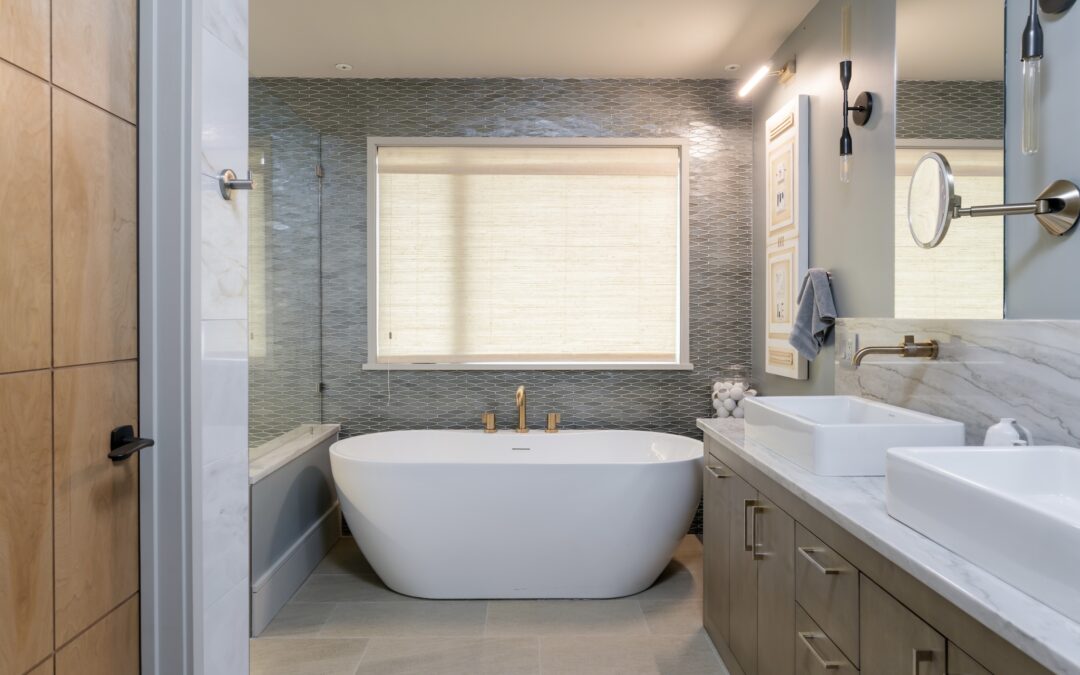
“How much should my bathroom cost?” is one of the first questions almost every client asks us, and it is a fair one.
For a professionally designed primary bathroom remodel in Asheville and the surrounding area, a realistic 2026 planning range is often about $25,000 to $75,000 or more for a substantial renovation.
Smaller projects that preserve the existing layout and use more moderate finishes may fall below that range. Luxury primary suites with relocated plumbing, custom cabinetry, premium tile, architectural lighting, heated floors, specialty glass, or an expanded footprint can cost considerably more.
At ID.ology Interiors & Design, we think the better question is not simply what a bathroom costs. It is what you should invest to create a bathroom that functions well, supports your wellbeing, and does not need to be redone because an important decision was missed.
That is the heart of Design Well for Your Wellbeing.
The Short Answer
Published Asheville-area cost guides in 2026 show broad bathroom remodel ranges beginning around $15,000 for smaller or simpler projects, while full primary-suite renovations can move into the $45,000 to $90,000-plus range.
The important distinction is scope.
A guest bathroom refresh is not financially comparable to redesigning an entire primary suite, and the two should not be budgeted the same way.
What Actually Drives the Cost of a Primary Bathroom Remodel?
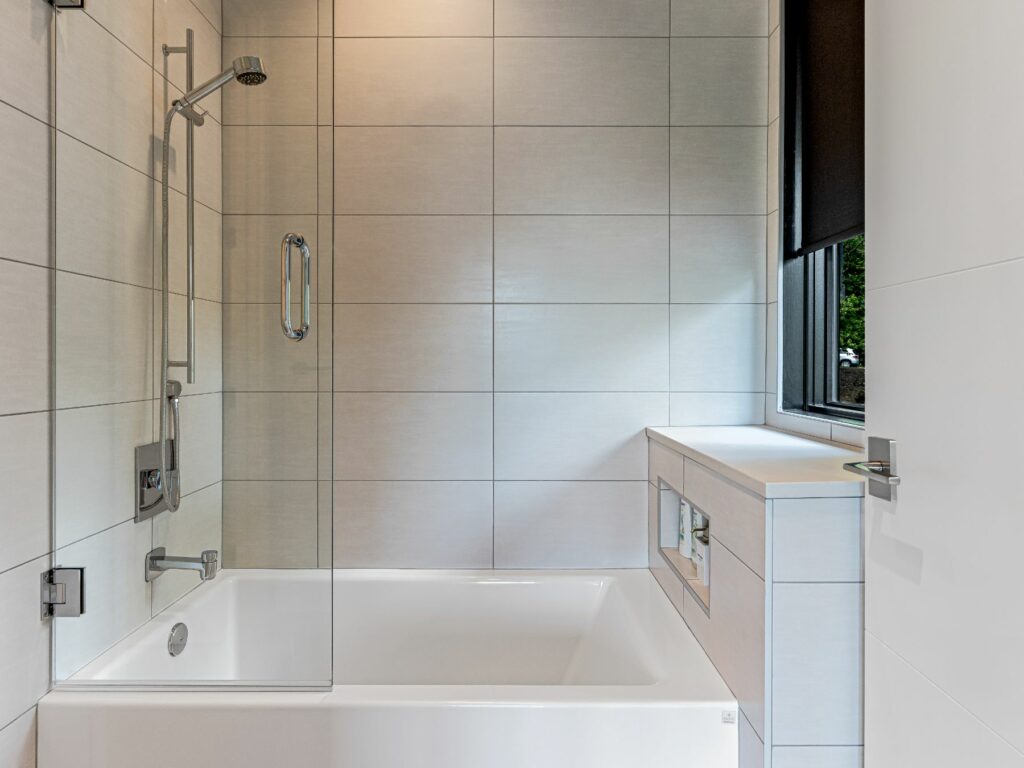
The biggest factor is how much of the existing room you change.
Keeping plumbing, electrical, walls, and the overall footprint in place generally helps control costs. Moving plumbing, changing the layout, modifying walls, or rebuilding the room more extensively can increase the budget quickly.
Tile, cabinetry, fixtures, lighting, countertops, and finishes also matter, but the difference between updating an existing bathroom and fully reconfiguring one is often the biggest cost driver.
When a Full Redesign Drives Costs Up: The Arboretum Gardenhouse
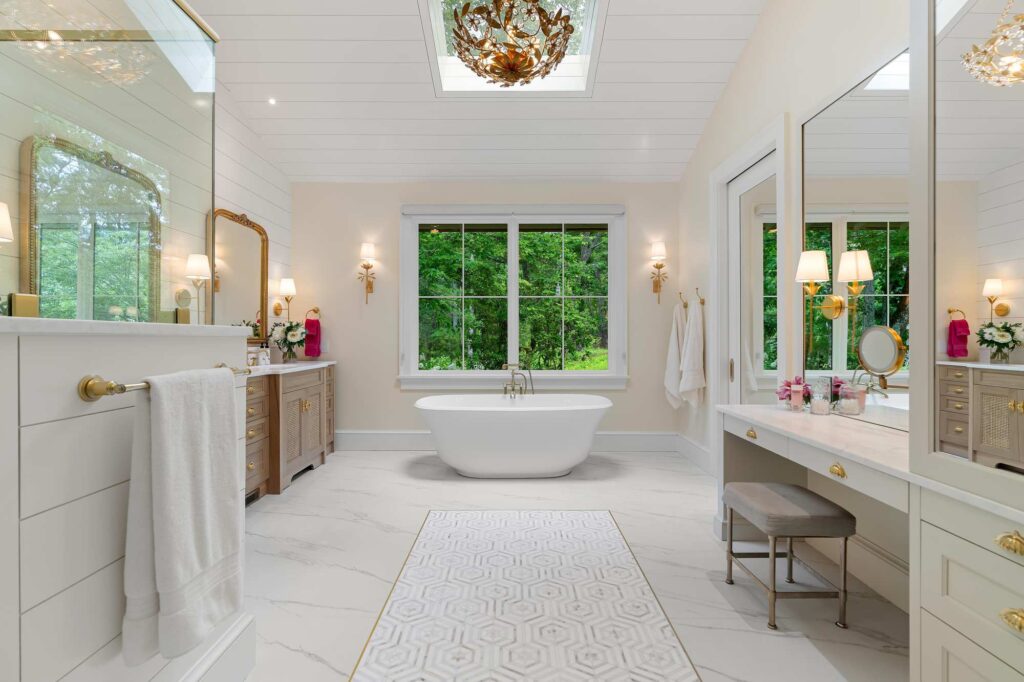
Our Arboretum Gardenhouse project is a good example of what a full redesign can involve.
The space had not originally been a bathroom, so the project functioned much like new construction within an existing foundation and shell. New plumbing, electrical, structural framing, and other systems had to be created from the ground up.
A project like this naturally falls toward the higher end of the remodeling range because it involves far more than replacing finishes.
Maximizing a Smaller Footprint: The Rhodo Reno
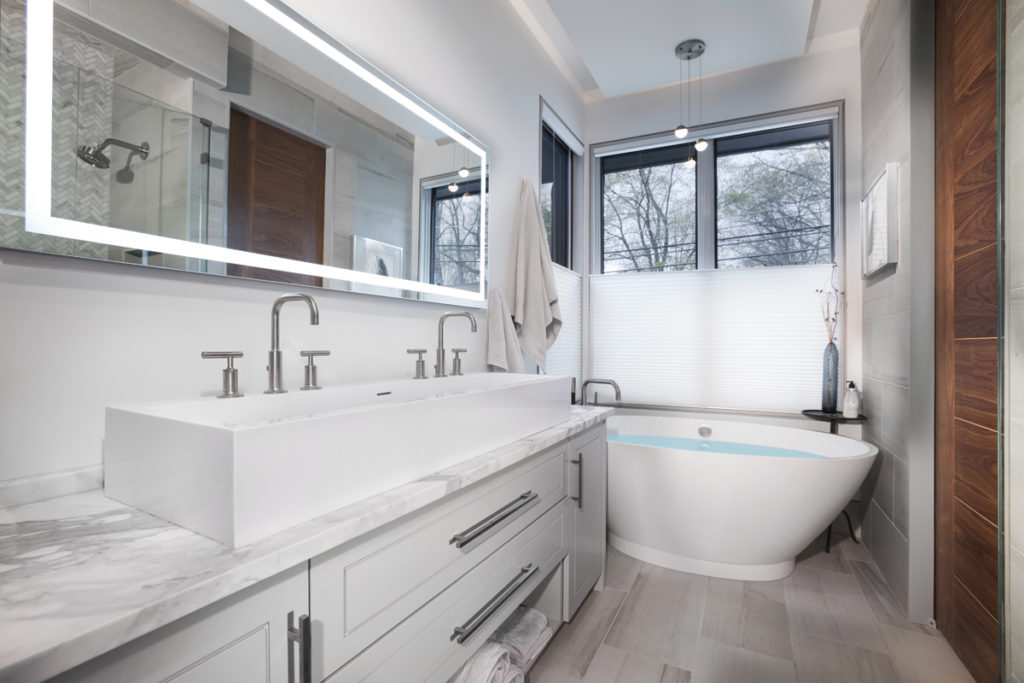
Our Rhodo Reno project shows a different approach.
Rather than expanding the footprint, we kept the bathroom intentionally compact and focused on efficient planning, storage, and making the most of the available square footage.
The result did not need a larger room to feel complete.
A smaller, well-planned footprint can help control costs while still delivering strong function and thoughtful design.
What Does a $25,000 Bathroom Look Like Compared With a $75,000 Bathroom?
At the lower end of a substantial primary bathroom renovation, the smartest strategy is often to preserve the existing footprint.
That may include updating:
- Cabinetry
- Tile
- Plumbing fixtures
- Lighting
- Countertops
- Mirrors
- Paint
- Hardware
As the budget increases, the project may include:
- A larger shower
- Freestanding tub
- Relocated plumbing
- Body sprays
- Steam shower
- Shower dryer
- Custom cabinetry
- Premium stone or tile
- Heated flooring
- Architectural lighting
- Specialized storage
- Custom glass
- Improved ventilation
Neither approach is automatically better.
The right investment depends on the home, your priorities, how long you plan to live there, and which changes will improve your daily life.
Where Should You Spend More?
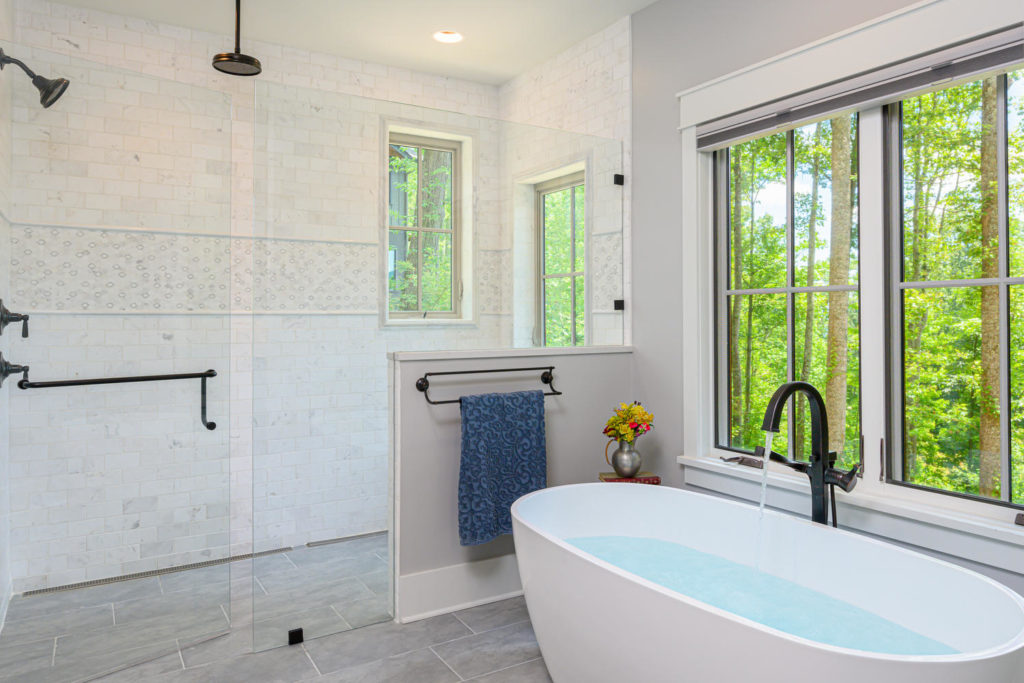
We generally encourage clients to prioritize the parts of a bathroom that are difficult or expensive to change later.
That includes:
- Waterproofing
- Plumbing infrastructure
- Cabinetry construction
- Functional lighting
- Ventilation
- Flooring
- Space planning
A mirror or decorative accessory can be replaced fairly easily in a few years. Correcting a poorly planned shower, inadequate storage, bad lighting, or failing cabinetry is much more involved.
Why Cabinetry Is Worth Careful Investment
One of the cost-saving decisions we often see homeowners regret is choosing a lower-quality premade vanity simply because it costs less upfront.
A primary bathroom is used every day. Over time, lower-quality cabinet boxes, hardware, drawer systems, and finishes can begin to show wear much sooner than the rest of the room.
Investing in properly constructed cabinetry can make a meaningful difference in how well the bathroom functions and how long it lasts.
Where Can You Save on a Bathroom Remodel?
You may be able to control costs by:
- Keeping existing plumbing locations
- Using a more restrained tile pattern
- Choosing one focal material instead of several premium finishes
- Selecting good-quality mid-range plumbing fixtures
- Limiting structural changes
- Using decorative impact selectively
Good design does not require every selection to be the most expensive option.
It means understanding where an upgrade matters and where a simpler choice will perform just as well.
Do Design Fees Add Cost or Help Control It?
Professional design is an additional project investment, but it can also help reduce costly mistakes and regrets.
A designer can coordinate the layout, cabinetry, tile transitions, fixture placement, lighting, finishes, clearances, elevations, and visual relationships before construction reaches the point where changes become more expensive.
At ID.ology, our designers work with drawings, cabinetry, specifications, selections, renderings, and project coordination so the bathroom is considered as one complete space rather than a series of separate purchases.
One of the most expensive sentences in remodeling is, “I wish we had thought about that earlier.”
What About Wellness in Bathroom Design?
A primary bathroom is one of the most frequently used spaces in the home, so wellness should be considered from the beginning.
We look at factors such as:
- Ventilation
- Moisture management
- Slip resistance
- Ease of cleaning
- Lighting quality
- Material emissions
- Accessibility
- Ergonomics
- Wellness features
- Long-term use
For homeowners planning to stay in their homes as they age, features such as curbless showers, wider clearances, strategically placed blocking, reachable storage, improved lighting, and comfortable fixture heights can be incorporated without making the bathroom feel institutional.
How Long Does a Primary Bathroom Remodel Take?
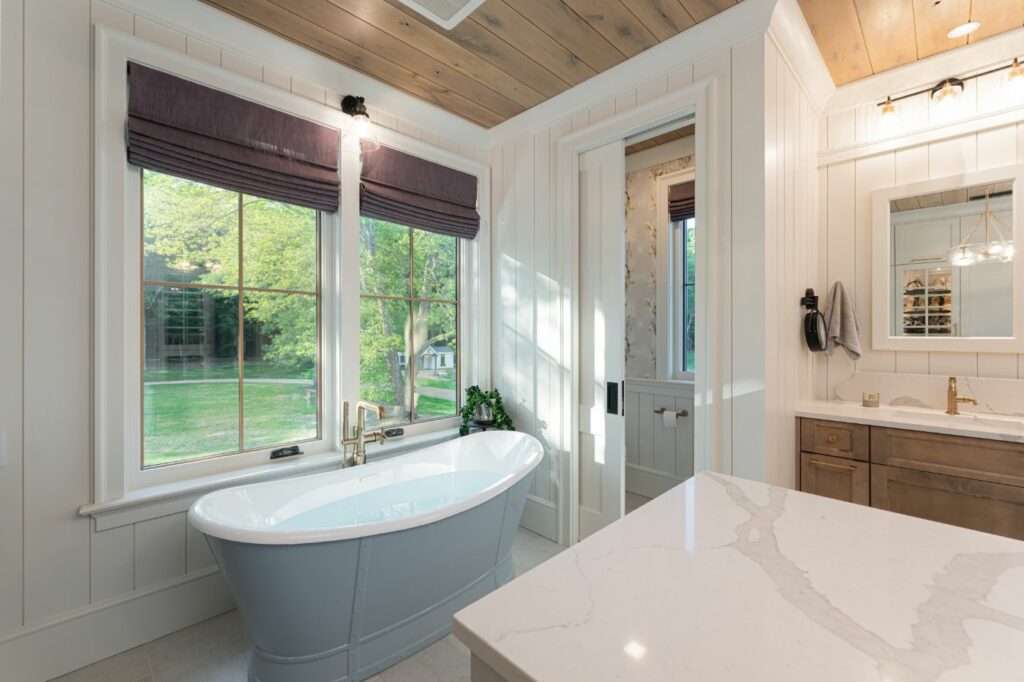
A standalone primary bathroom remodel typically takes about two to four months from start to finish, depending on the scope.
The timeline can be affected by:
- Design work
- Pricing and approvals
- Product lead times
- Custom cabinetry
- Structural changes
- Plumbing or electrical work
- Material availability
A simpler cosmetic renovation may move more quickly. A structural redesign will usually take longer.
If the bathroom is part of a larger renovation, its schedule will normally follow the timeline of the overall project.
Starting the design process early gives you more time to make decisions without rushing.
Why Work With a Connected Design and Build Team?
ID.ology works directly with clients and collaborates with builders throughout the Asheville area.
We also have a close working relationship with our sister company, Living Stone Design + Build.
Because our teams understand each other’s processes, design and construction can be coordinated from the early planning stages through completion. This helps maintain consistency between what is designed and what is ultimately built.
Questions to Ask Before Setting Your Bathroom Remodel Budget
Before settling on a number, consider:
- How much of the existing layout needs to change?
- How long do you expect to live in the home?
- Is this mainly an aesthetic update or a functional transformation?
- What frustrates you about the existing bathroom?
- Which features would noticeably improve your daily routine?
- Are you prioritizing resale, long-term living, wellness, luxury, or a combination of these?
Your answers will help determine where the budget should go.
The Bottom Line
For a primary bathroom remodel in Asheville and nearby Western North Carolina communities, $25,000 to $75,000-plus is a reasonable 2026 planning range for a substantial, professionally executed renovation.
Simpler projects that preserve the existing footprint may cost less. Highly customized bathrooms involving major layout changes, structural work, luxury fixtures, premium materials, and custom cabinetry can cost considerably more.
Before deciding what to spend, define what you want the bathroom to solve.
At ID.ology Interiors & Design, we help clients work through those decisions before construction begins, bringing together function, cabinetry, material selections, wellness considerations, and long-term livability.
Design Well for Your Wellbeing means creating a bathroom that does more than look beautiful when the project is finished. It should continue making everyday life better for years to come.
2026 Cost Data Note
The planning ranges in this article were informed by Asheville-area bathroom remodeling guides published in 2026 and broader regional remodeling cost data. Actual project pricing varies based on contractor, scope, materials, site conditions, product selections, and design requirements.